

How Do Dentists Help the Community? Beyond the Chair and Into Everyday Life
When most people think about dentists, they picture a bright light, a reclining chair, and someone asking questions while their mouth is full of instruments. But if you zoom out just a little, dentists are doing something much bigger than “fixing teeth” — they’re quietly holding communities together.
Healthy mouths mean kids can learn better, adults can work pain-free, and older adults can eat and speak comfortably. In a world where almost half of the global population lives with some type of oral disease, dentists are part of the front line of public health, not just private care.
- In this article, you’ll discover how dentists:
- Protect community health long vor pain starts
- Spot early warning signs of serious diseases
- Build confidence, mental health, and opportunity
- Reduce inequalities through outreach and mobile care
- Support local economies and workplaces
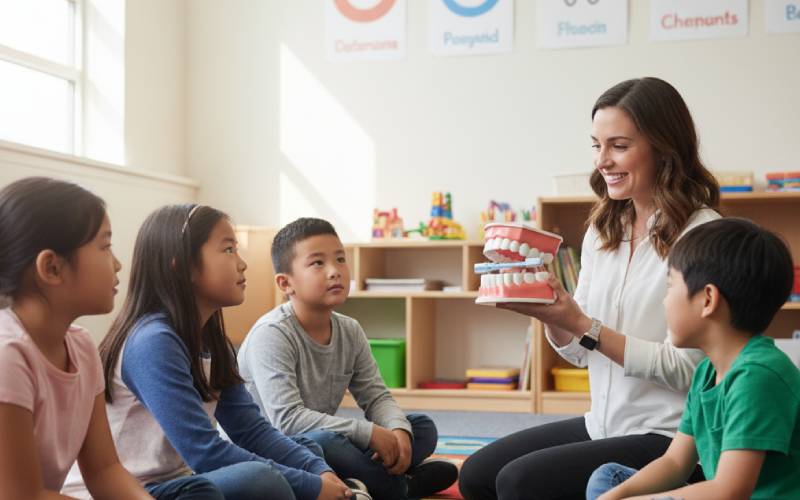
- Partner with schools, seniors’ homes, and charities
- Arbeit with you to make your neighborhood healthier
Inhaltsübersicht
1. From “Tooth Fixers” to Community Health Guardians
Behind every appointment reminder and routine check-up is a healthcare professional who sees more than teeth. Dentists see patterns: the child who always has decay because there’s no fluoride in the local water, the worker who keeps breaking teeth because of nighttime grinding from stress, the senior who can’t chew properly and starts losing weight.
From that vantage point, dentists are often the first to notice when a problem stops being “one person’s issue” and becomes a community pattern. That’s when they step into a different role — advisor, advocate, and connector.
- Dentists quietly protect community health when they:
- Listen to stories, not just symptoms – asking about work, stress, diet, and home life to understand why problems keep appearing
- Track trends – noticing if more kids from a particular school have cavities or if a neighborhood has higher gum disease
- Connect the dots – linking what they see in the mouth to local factors: water quality, access to healthy food, or financial barriers
- Collaborate with others – sharing concerns (with consent) with doctors, social workers, or school nurses when a bigger issue is unfolding
2. Prevention as a Public Service, Not Just a Procedure
Prevention is where dentists may make their biggest impact — not just on individuals, but on whole communities. Most oral diseases are preventable, yet they still affect billions of people worldwide.
Every time a dentist helps a patient avoid a cavity or gum disease, they’re doing more than saving a tooth. They’re reducing future emergency visits, lowering healthcare costs, and keeping people in school or at work instead of in pain at home.
- Ways dentists turn prevention into community impact:
- Regular check-ups and cleanings reduce the need for extractions and emergency visits that strain hospitals and families
- Fluoride treatments and sealants for children help prevent decay in the first place, giving kids a healthier start
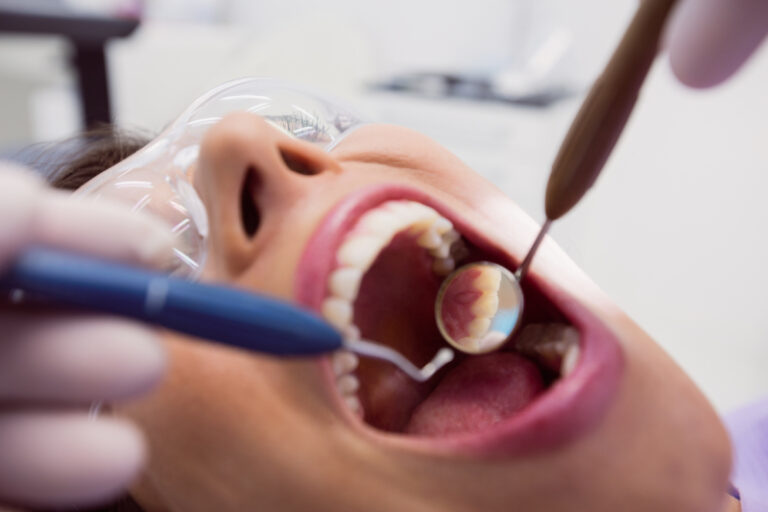
- Practical home-care coaching (showing how to brush gut, not just telling you to do it) improves habits across whole households
- Personalised risk assessments (smoking, diet, medical conditions) help people understand ihre specific risks and how to reduce them
- Early treatment of small problems prevents infections that can spread, cause abscesses, and occasionally become life-threatening
3. Detectives for Whole-Body Health
Your mouth is one of the best “windows” into the rest of your body. Dentists see it up close, regularly, and often for years — sometimes across generations. That puts them in a powerful position to notice changes that might otherwise go unnoticed.
Research continues to show strong associations between poor oral health (especially gum disease) and conditions such as diabetes, cardiovascular disease, and respiratory illnesses. When dentists pick up on warning signs early, they’re not just saving teeth; they may be helping protect hearts, blood sugar levels, and more.
- Health clues dentists often catch first:
- Red, swollen, or bleeding gums that may signal uncontrolled diabetes or chronic inflammation
- Erosion of tooth enamel that can hint at acid reflux or eating disorders
- Unexplained oral ulcers or patches that could indicate immune issues or, rarely, early oral cancer
- Trockener Mund that may be linked to certain medications or autoimmune diseases
- Jaw tension and grinding that reveal chronic stress, sleep problems, or anxiety
When they see these signs, dentists can refer patients to physicians or specialists — sometimes prompting life-saving medical care.
4. From One Smile to Many: Individual vs Community Impact
When one person’s oral health improves, it doesn’t stop with them. Kids bring new habits home. Parents bring knowledge to workplaces. Seniors share experiences with friends. The ripple effect is real.
Here’s how the same dental visit can matter on both a personal and community level:
| What the Dentist Does | What the Patient Feels or Gains | How the Community Benefits |
|---|---|---|
| Treats tooth decay early | Relief from pain; easier eating and sleeping | Fewer missed school/work days; better productivity |
| Provides education on brushing & diet | Confidence in caring for own health | Better habits spread through families and classrooms |
| Screens for gum disease & systemic links | Awareness of risks; earlier medical check-ups | Lower burden of chronic disease over time |
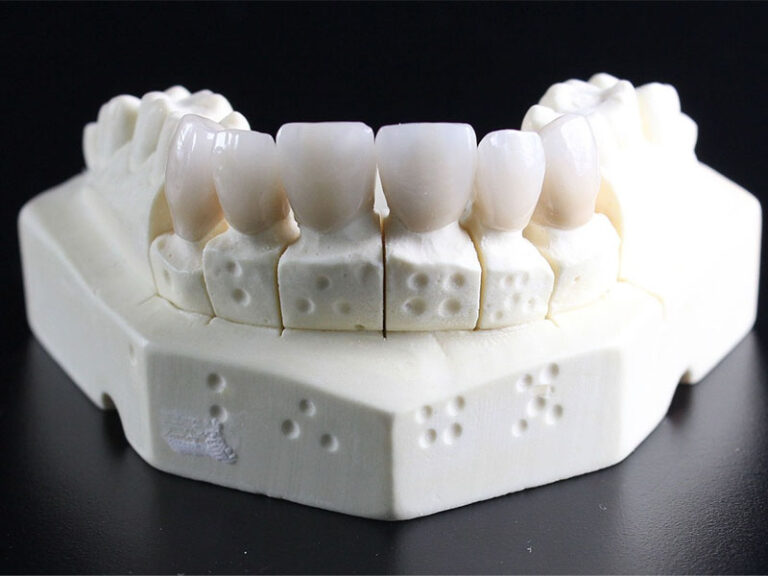
| Offers dentures or restorations | Ability to chew, speak, and smile comfortably | Older adults remain active, social, and independent |
| Runs school or workplace oral-health talks | Practical tips, questions answered in a safe space | Stronger culture of prevention, not crisis care |
- A few real-world examples of this ripple effect:
- A child whose toothache is treated sleeps better, focuses in class, and performs better in school — affecting their future opportunities
- A factory worker who no longer has chronic dental pain misses fewer shifts, supporting both their family income and local businesses
- A grandparent who can eat properly gets stronger, stays independent longer, and needs fewer medical interventions
5. Reaching the People Who Need It Most
Access to dental care is far from equal. Cost, distance, fear, and lack of information can all stand between someone and the care they need. Globally, most people affected by oral diseases live in low- and middle-income areas, where prevention and treatment are hardest to access.
Many dentists respond by taking care outside the clinic. They volunteer, collaborate with charities, or build outreach into how their practice operates.
- Common ways dentists extend care beyond their clinic:
- School visits and screening days so children can be checked, taught, and referred before problems become severe
- Mobile or pop-up clinics that travel to rural, remote, or underserved neighborhoods
- Low-cost or charity clinics offering essential treatment to people without insurance or steady income
- Special care for vulnerable groups such as people with disabilities, migrants, or those experiencing homelessness
- Partnerships with community leaders (teachers, religious groups, NGOs) to build trust and reach people who are afraid or unsure
These efforts don’t just fix teeth; they reduce health inequalities, restore dignity, and show people that healthcare can be on ihre side.
6. The Emotional Side of Smiles: Confidence, Relationships & Mental Health
Teeth are tied to some of our deepest feelings: shame, pride, fear, joy. Many people quietly hide their smile for years — avoiding photos, job interviews, or even simple conversations — because they feel embarrassed about their teeth.
Dentists see the emotional weight of this every day. They watch people sit down guarded and stand up different, not just because they look better, but because they fühlen worthy of being seen. Repairing a chipped front tooth, closing a gap, or replacing missing teeth can completely change how someone moves through the world.
This isn’t “just cosmetic.” A confident smile can:
- make social connections easier
- improve chances in job interviews or customer-facing roles
- reduce anxiety about being judged
- encourage people to take better care of themselves overall
When more people in a community feel confident and comfortable interacting with others, neighborhoods become warmer, more connected, and more supportive.
- Dentists support mental and emotional well-being when they:
- Take time to listen without judgment to fears and insecurities about teeth
- Angebot gentle, step-by-step treatment for people with dental anxiety
- Bereitstellung von realistic, honest options — from simple repairs to full smile makeovers — based on budget and goals
- Celebrate small wins (like finishing treatment after years of avoidance) as much as big cosmetic transformations

7. Behind the Scenes: Dentists, Data & Public Health Planning
You might never see it, but dental data helps guide public health decisions. Aggregated (anonymous) information about decay rates, gum disease, or oral cancer can show where a community is struggling.
When dentists work with public health agencies, they can:
- highlight neighborhoods with high rates of untreated decay
- show where children rarely attend check-ups
- identify areas that might benefit from water fluoridation, school programs, or subsidies
- inform national and regional strategies on oral disease prevention
This makes dentists not just caregivers, but also informants for smarter, fairer health policies.
- Some public-health roles dentists may take on:
- Serving on local health boards or advisory councils
- Contributing to research on new materials, techniques, and prevention strategies
- Training other health workers (like nurses or community health workers) on basic oral health
- Advocating for policies that improve access, such as insurance coverage or workforce distribution
8. Supporting Local Economies & Workplaces
A community full of untreated toothaches is also a community full of lost productivity, sick days, and reduced income. When people are in pain, they:
- eat less
- sleep poorly
- struggle to concentrate
- may avoid working or interacting with others
By keeping mouths healthy, dentists indirectly support local businesses, schools, and economies.
- How dentists help local economies thrive:
- Reducing absenteeism – fewer days off for dental emergencies or pain
- Supporting employability – a healthy smile can boost confidence during interviews and client-facing roles
- Creating jobs – dental practices themselves employ front-desk teams, assistants, hygienists, lab technicians, and cleaners
- Encouraging “health-conscious” culture – workplaces that host dental talks or screening days often see improvements in overall well-being
9. How Sie Can Help Your Dentist Help the Community
Dentists can’t transform communities alone — they need patients, families, teachers, and employers to join in. The good news? You don’t need a medical degree to make a real difference.
Every healthy habit you build, every appointment you keep, and every conversation you have about oral health adds another thread to the safety net supporting your community.
- Practical ways to be part of the solution:
- Keep your own appointments – prevention is easier (and cheaper) than fixing emergencies
- Bring your family in regularly – especially children and older relatives who might avoid care
- Fragen stellen – learn why your dentist recommends certain habits or treatments, then share that knowledge
- Volunteer or support outreach events your dentist participates in (school talks, charity days, mobile clinics)
- Speak kindly about the dentist to anxious friends and relatives — your reassurance might be what gets them through the door
- Choose practices that give back – many clinics proudly share their community projects; supporting them strengthens the impact they can make
10. Final Thoughts: A Dentist’s Work Is Community Work
So, how do dentists help the community?
They ease pain, yes. They clean teeth, yes. But they also:
- protect children’s futures
- catch the early whispers of serious disease
- fight health inequalities
- lift self-esteem and mental health
- support local businesses and schools
- inform better health policies
The next time you sit in a dental chair, you’re not just “getting your teeth done.” You’re taking part in a relationship that has the power to transform whole neighborhoods, one conversation — and one smile — at a time.
If you want your community to be healthier, kinder, and more confident, partnering with your local dentist is one of the most powerful (and underrated) places to start.





 German
  English
  French
  Spanish
  Italian
  Bulgarian
  Danish
  Korean
  Polish