


Do Dentists Whiten Teeth? Your Complete, Friendly Guide to a Brighter Smile
You ever look in the mirror and think, “Can my teeth be whiter?” Or maybe you’ve tried the toothpaste, the strips, and everything on the store shelves—still, your teeth aren’t as white as you want them. If you just want straight answers about whether dentists really whiten teeth (and if you can trust them with your smile), you’re in good company.
In this article, I’ll explain what you need to know about getting your teeth whitened at the dentist: why dentists are the best for the job, what will happen at your appointment, how to pick what’s best for you, and how to keep your smile brighter for years ahead. Let’s talk through it—turning on some light, both literally and in the figurative sense, on your way to a whiter smile.
Índice
Do Dentists Whiten Teeth? The Real Story
For sure—dentists whiten teeth, and they do it safely, fast, and with better results than you’ll find anywhere else. You’re not the only one wondering; this is one of the top questions people have when they’re over trying the drugstore kits or not sure who to trust with their smile.
Why Go to a Dentist?
Dentists aren’t just “tooth doctors.” They really know teeth, inside and out—from the hard white part on the outside to the sensitive bits deep inside. When it comes to making your teeth whiter, nobody is better trained or ready for the job.
What Does “MD” Mean Here?
Sometimes you’ll see teeth whitening advertised with “MD” or “DMD”—This just means “Doctor of Dental Medicine” or “Doctor of Dental Surgery.” It means your dentist has gone through extra training, not only for keeping teeth healthy but also for things like whitening.
Let’s see why dentist whitening is special, how it all works, and how you can find what’s best for your grin.
Why Do Teeth Get Stained?
Ever see an old family photo and think your smile looked whiter back then? Teeth can change color for lots of reasons—but not all stains are the same, and knowing the difference is key for picking the right fix.
Surface Stains (Extrinsic)
These stains are on the outside of your teeth. Usually, they come from what we eat, drink, or smoke. Coffee, tea, red wine, soda, tomato stuff, curry, blueberries—foods like these slowly darken teeth over time. Smoking or chewing tobacco also brings on tough yellow or brown spots.
Think of surface stains like a spill on your favorite white shirt—they’re obvious and stubborn but sit on the outside.
Deep Stains (Intrinsic)
Some stains come from inside the tooth. These can happen because:
- Medicine: Some antibiotics (like tetracycline) or too much fluoride as a child can stain teeth as they grow.
- Injury: If you get hit in the mouth, a tooth can change color, turning gray or brown.
- Getting Older: As you get older, the white outer layer wears down, and the natural yellow inside shows more.
Deep stains are a bit like dye soaked right into your clothes—the regular stuff won’t get them out. That’s why dentist whitening, with stronger stuff, is needed.
Why Some Stains Need a Dentist
Over-the-counter kits or whitening toothpastes can only do so much. Dentist whitening goes after both deep, tough stains, using stronger—but still safe—bleaches you can’t buy in stores. Plus, the dentist does it the right way, looking at your tooth health, your type of stains, and your own goals for your smile.
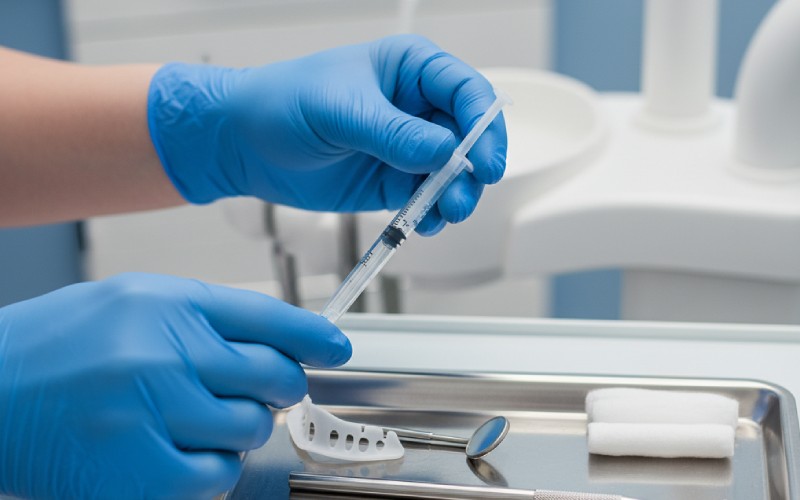
Whitening Choices at the Dentist
You have a few options! The right one for you mostly depends on your habits, what you’re hoping to spend, and how quick you want to see the change.
1. Whitening at the Dental Office
What Is This? Think of this as the “super-charged” way to whiten. You go in for about an hour, and you come out with whiter teeth. The dentist puts on a strong whitening gel (usually with stuff like hydrogen peroxide or carbamide peroxide) and uses a special light, laser, or LED to kick it into gear.
Big Brands:
- Zoom! Whitening
- Opalescence Boost
- BriteSmile
How Does It Happen?
- Your gums and lips are covered up for safety
- Whitening gel goes onto your teeth
- The light boosts the gel
- Gel gets rinsed off, and you see the difference right away
- Sometimes they’ll do this a few times in the same visit if needed
Why Pick This?
- Fast—several shades lighter in one quick visit
- Dentist is watching to keep your teeth and gums safe
- Works even on deep stains
2. Professional Kits to Take Home
What Is This?
These aren’t the boil-and-bite trays from the store. The dentist makes a mold of your teeth so the trays fit just right. You get dentist gel to use at home, usually for 30–60 minutes a day for a week or two.
Why Go This Way?
- Changes are slower, but still big
- Custom trays keep the gel off your gums
- Great if you’d rather whiten while watching TV at home (or to keep up the results after office whitening)
3. Whitening Inside the Tooth
What Is This? When a tooth turns dark on the inside—usually after a root canal—the dentist can put gel inside the tooth to brighten it. Not as common, but it works wonders for that one stubborn tooth.
What to Expect: The Steps of a Whitening Visit
Maybe you’re a little worried, especially if it’s your first cosmetic dental thing. Here’s how it usually goes.
1. First Visit
The dentist isn’t only thinking about whitening—they want your mouth healthy first. They’ll:
- Look for any cavities, cracks, or gum problems
- Check if you have any old dental work (crowns or fillings) or sensitive spots
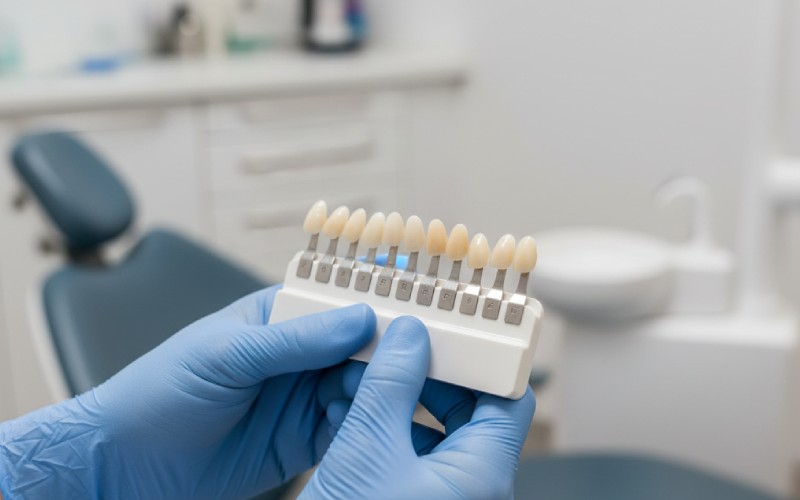
- Use a color card (shade guide) to see where you’re starting
2. Getting Ready
Before the whitening gel, your teeth will be cleaned by the dental hygienist. Why clean first? Plaque and tartar block the gel and mess up the results. The dentist also puts a barrier on your gums and lips to stop the gel from hurting them.
3. The Whitening
Now the good stuff:
- Strong dentist gel goes on your teeth
- A light (or laser, or LED) is aimed at your mouth to boost it
- You hang out—listen to music, a podcast, whatever
- After 15–20 minutes, gel is rinsed off. Sometimes, you’ll do more rounds in one visit
- You’ll see whiter teeth right away
4. Aftercare
The dentist will tell you how to take care of your new smile:
- Don’t have stainy food or drinks (coffee, red wine, berries) for at least 24–48 hours
- Try toothpaste for sensitive teeth if needed
- Keep up your usual brushing and flossing to make the whiteness last
Safety Stuff, Side Effects, and Who Should or Shouldn’t Whiten
Whitening teeth at the dentist is one of the safest cosmetic dental fixes—but you should still ask, “Is this okay for me?”
Safe or Not?
Short answer: Yes, if it’s done at the dentist. Bleach that dentists use won’t hurt your teeth’s hard outer cover. The dentist knows where to put the gel, so your gums are protected too.
Here’s What the Experts Say:
The American Dental Association (ADA) says whitening at the dentist is safe with little risk, way better than messing with super-strong kits at home without a pro watching.
Common Side Effects
Most people are fine, but sometimes you might notice:
Sensitive Teeth:
You could feel a quick “zing” with cold things after whitening. This goes away in a day or two—sensitive toothpaste helps.
Gum Trouble:
If gel gets on your gums, they could get a bit red or sore. This is rare, since the dentist protects them, and it doesn’t last long.
Good Candidates For Whitening
- Healthy grown-ups with real tooth enamel
- Stains from food, drinks, or smoking
- Best for yellow or brown stains (these stains go away easiest)
Who Should Skip Whitening (or Wait)?
- Women who are pregnant or breastfeeding (nobody knows if it’s 100% safe yet)
- Kids under 16 (teeth and gums are still growing)
- People who are allergic to the gel
- Folks with crowns, carillas, or lots of fillings (these won’t change color—so your smile won’t match up right)
- People with bad cavities, gum illness, or roots showing—fix these things first
Tell your dentist if you have worries—they’re there to help you, not just your teeth.
What Results Can You Expect—And How Long Do They Last?
Let’s get real. You won’t turn movie-star white overnight—but dentist whitening will get you a smile that you will notice.
How Much Whiter?
Most people brighten up 3–8 shades on the color chart. Your results depend on:
- The kind and amount of stain you start with
- Your tooth’s natural color
- Which whitening method your dentist uses
Ejemplo:
Sarah, who is 34 and loves coffee, tried Zoom! whitening at her dentist. Her teeth went up six shades—she started at A3 and finished at A1. The result looked real, not fake, and she loved it.
How Long Does Whitening Last?
Dentist whitening is strong, but not forever. Most people keep their bright smile for 1–3 years, as long as they avoid things that stain.
What Makes Whitening Fade?
- What you eat and drink: Coffee, berries, and red wine will stain again
- Taking care of your mouth: Brush and floss daily to fight new stains
- Smoking: Stains come back fast
- Your DNA: Some folks’ teeth stain quicker
How To Keep Your Bright Smile?
- Drink stainy stuff with a straw
- Keep going for dental cleanings
- Ask about take-home touch-up trays to freshen up your smile every 6–12 months
- Don’t overdo the whitening (you could get sensitive teeth)
How Much Will Whitening Cost at the Dentist?
Let’s be honest—cost is a big deal, especially with all the options out there. Yes, dentist whitening costs more than drugstore stuff, but you see the difference in both how you look and how safe it is.
What’s the Usual Price?
- In-Office Whitening: Mostly $300–$800 per visit
- Zoom! and other fancy brands could cost more, especially if you live in a big city
- Take-Home Kits from the Dentist: $200–$400, including your own trays
What Makes It More Expensive or Cheaper?
- Where you live—big city, higher price
- The dentist’s experience and how well-known they are
- How tough your stains are (one tooth or your full smile)
- The type of tools used (laser or plain light, which brand)
Does Insurance Pay For It?
Most dental insurance won’t pay for whitening since it’s not “medical”—it’s for looks. But:
- Some dentists let you pay with a plan or have interest-free deals
- Sometimes, they throw in free touch-up kits or follow-up checks
- Look for special deals during slow seasons
Dentist vs. Store-Bought Whitening: What’s Really Different?
You see ads everywhere promising, “Whiter teeth in just five days!” But are those kits the same as going to the dentist? Not quite.
Why Is Dentist Whitening Stronger?
Stronger Ingredients:
Dentists use more powerful bleaches—they have more hydrogen peroxide or carbamide peroxide than what’s allowed in store kits. More strength means faster, bigger results.
Why Custom Whitening Works Better
Dentists fit the whitening to your teeth shape, your stains, and if you’re sensitive or not. So:
- Fewer side effects
- No weird blotchy color
- Can focus right on the worst spots (even just one tough tooth)
Can Store Kits Ever Work?
If you just have little surface stains, toothpaste or strips might do something. Here’s how they shake out:
Pasta dentífrica blanqueadora
- Pro: Cheap, easy, best for little marks on the surface
- Con: Scrubs only the very outside; barely changes color more than one or two shades
Whitening Strips/Gels
- Pro: Handy, can do a little bit over a week or so
- Con: One size fits all—misses spots, could make gums sore, and can look streaky
Charcoal Toothpaste/Baking Soda
- Pro: Gets attention, but no solid proof it really works (don’t overdo it!)
- Con: Can scratch enamel and hurt teeth if used too much
When It’s Time to See a Dentist
If you want quick, safe, and sure-whiter teeth, go to the dentist. You’ll avoid hurting your gums, mess-ups, and get a smile that really stands out.
Who Is Professional Whitening Best For?
Wondering if dentist whitening is for you? Here are some clues:
- Your teeth are yellow or stained from coffee or wine, and you notice it in photos
- Store kits didn’t get you what you wanted
- You need fast results for something big—like a wedding, graduation, job interview
- You want it done right, with no chance of hurting your mouth
Who Should Wait Or Try Something Else?
- You have a lot of fillings, crowns, or fake teeth in the front (these won’t turn whiter)
- You’re pregnant or breastfeeding (play it safe)
- You have untreated cavities, gum trouble, or very sensitive teeth
The dentist is your “smile coach.” Tell them what you want, what you’re worried about, and they’ll help make a plan that works for you.
Key Tips: Your Brighter Smile Game Plan
Let’s make it simple, so you’re ready:
- Yes, dentists do whiten teeth—better than anyone!
- Dentist whitening is safe, fast, and gets out tough stains
- They’ll make it personal for your mouth and your history
- Expect 3–8 shades lighter, and things can last a year or more
- Hold onto the results by avoiding stains, using touch-ups, and keeping up regular cleanings
- Some people shouldn’t whiten—for example, kids, pregnant women, or those with lots of dental work
- Prices change, but think of it as buying more confidence—insurance rarely pays, but payment plans are common
- If you’re not sure, ask the dentist to show your “before and after” on a shade guide
Your Next Step
A whiter smile isn’t just about looking good—it gives you confidence, helps you feel good, and keeps you brushing and flossing better for life. If you want to give it a shot:
- Set up a chat with a dentist you trust. Bring all your questions.
- Tell them your habits, any sensitivity, and what you hope to see.
- Keep brushing, flossing, and go in for cleanings twice a year.
Don’t settle for teeth that don’t let your personality shine. With today’s safe and simple dentist whitening options, your brightest, happiest smile is just a visit away.
Sources:
- American Dental Association (ADA): Tooth Whitening/Bleaching
- Academy of General Dentistry
- Oral Health Foundation
(Medically checked by Dr. Jane Doe, DDS, June 2024)




 Spanish
  English
  French
  German
  Italian
  Bulgarian
  Danish
  Korean
  Polish