Istar PFM production

PFM Crowns: Reliable Strength, Proven Performance

Porcelain-Fused-to-Metal Crowns (PFM Crowns)

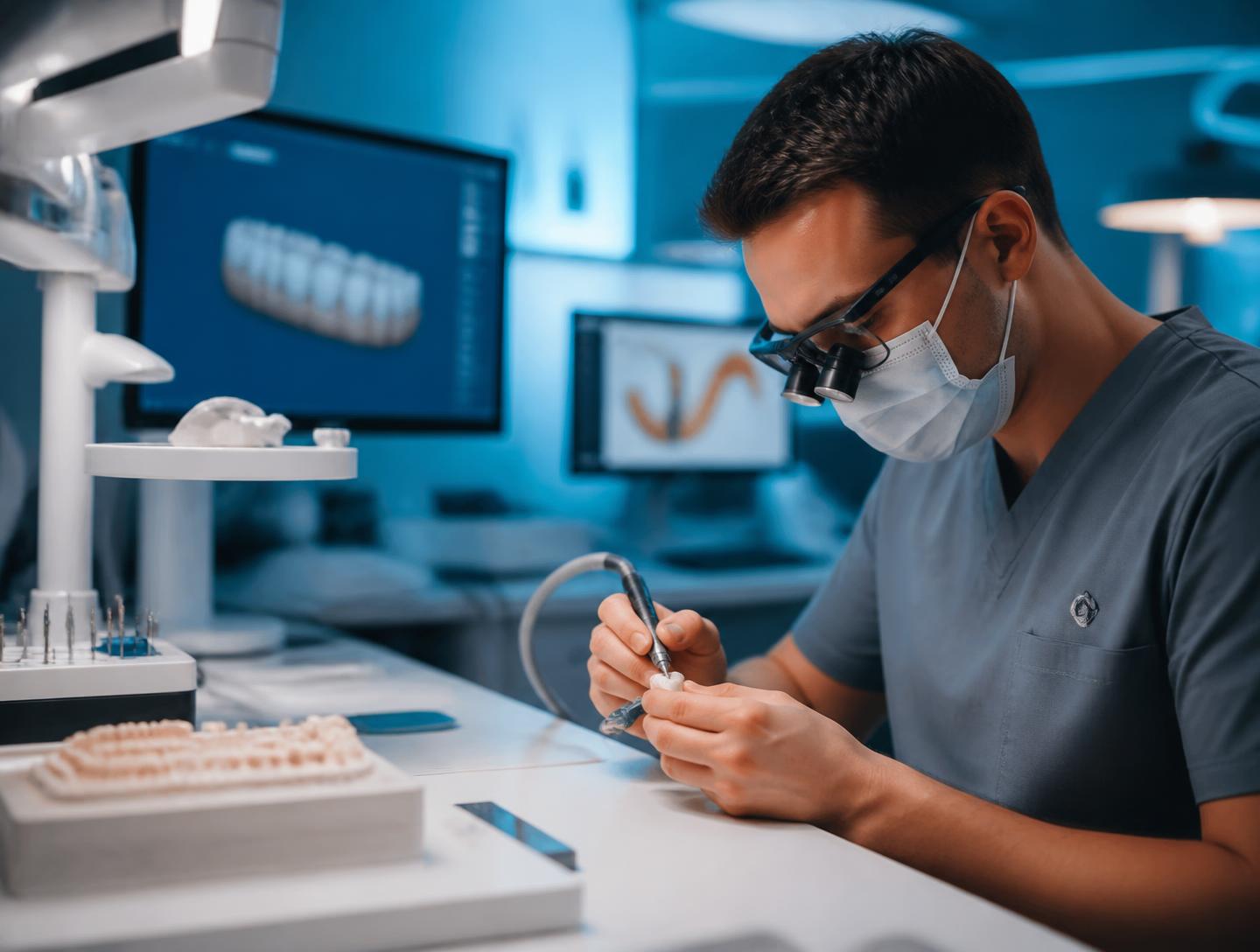
A PFM crown combines a metal substructure with an exterior porcelain layer, blending the mechanical reliability of a cast metal coping with a tooth-colored finish. For decades, PFM restorations were the standard for fixed crowns and bridges—and they remain the right choice when strength, predictability, and cost-effectiveness matter more than cutting-edge esthetics.

When is a PFM crown still the right choice? When you need a durable, cost-effective dental crown PFM design, PFM crowns remain the go-to option in these situations:
  • Proven durability for posterior teeth or long-span bridges where high occlusal forces are expected
  • Controlled costs without compromising restoration quality
  • Metal occlusal coverage for patients with bruxism or minimal clearance
  • Reliable bond strength tested over five decades of clinical use
restorations — recommended upload 1440 × 960 pixels

PFM vs. Zirconia: A Practical Comparison

The "PFM vs. zirconia" discussion shows up in nearly every treatment planning conversation. Both materials have their place. Here's how they stack up:

CriterionPFM CrownsZirconia Crowns
Strength & durabilityExcellent—metal coping resists fracture; veneer chipping ~2.6% at 5 years (ADA data)Excellent—monolithic zirconia very robust; layered zirconia shows higher veneer chip rates
EstheticsGood—opaque layer masks metal; achievable natural shade but visible metal collar at margin unless subgingivalExcellent—no metal; better translucency, especially multilayer zirconia
Prep amount1.5–2.0 mm occlusal and axial (published preparation principles)1.5–2.0 mm occlusal; can sometimes go thinner with high-translucency zirconia
Opposing-tooth wearPorcelain surface can be abrasive to enamel if not polished; metal occlusal friendlierMonolithic zirconia generally kind to opposing dentition when polished
Metal line at marginVisible if margin placed supragingivally; requires subgingival margin for full concealmentNo metal; margin can be placed equigingivally with no esthetic compromise
PriceTypically lower than zirconia (material cost, established workflow)Typically higher (milling time, premium blanks for multilayer types)
RemovabilityEasier to section/remove with a bur if neededHarder to section; requires diamond burs and more time

Bottom line: PFM crowns continue to excel in high-stress posterior sites, long-span bridges, and cases where controlling cost without sacrificing reliability is the priority. Zirconia has replaced PFM in anterior esthetics and in practices that want a metal-free portfolio, but a well-made PFM crown still delivers high survival and low fracture rates in long-term studies.

Alloy Selection & Material Options

Istar offers four primary alloy families for PFM restorations, each chosen to meet different clinical and budgetary needs. All alloys meet ISO 22674 and ANSI/ADA Standard No. 134 compositional and safety requirements.
alloy-0 — recommended upload 1440 × 960 pixels
Alloy Type

Cobalt-Chromium (CoCr)

Primary Composition
Base metal (Co+Cr >60%)
Indications
Posterior crowns, multi-unit bridges, cost-sensitive cases
Approximate Cost Tier
Economy
alloy-1 — recommended upload 1440 × 960 pixels
Alloy Type

Palladium-Silver (PdAg)

Primary Composition
Noble alloy (Pd+Ag)
Indications
General anterior/posterior, moderate esthetics
Approximate Cost Tier
Mid-range
alloy-2 — recommended upload 1440 × 960 pixels
Alloy Type

Yellow Gold (Au-based)

Primary Composition
High noble (Au≥40%, Au+Pt+Pd≥60%)
Indications
High esthetics, superior biocompatibility
Approximate Cost Tier
Premium
alloy-3 — recommended upload 1440 × 960 pixels
Alloy Type

White Gold / Platinum alloy

Primary Composition
High noble (Pt+Pd+Au blend)
Indications
Anterior esthetics, warm gingival tissue, allergic history
Approximate Cost Tier
Premium

Biocompatibility notes:

  • Nickel-free: All CoCr and noble alloys meet the standard threshold (<0.1% Ni by mass) so they can be certified nickel-free. Certificate provided on request.
  • Beryllium: ISO 22674 and ANSI/ADA Standard No. 134 limit beryllium to ≤0.02% (mass fraction). We stock Be-free CoCr formulations as well as traditional CoCr that hits the limit but does not exceed it. Let us know if you need a specific formulation for compliance or patient sensitivity reasons.
  • Material certificates: Batch certificates (composition, lot number) supplied on request for regulatory documentation or patient files.

Can I specify a particular alloy brand or batch? Yes. If your practice or lab policy requires a specific manufacturer (Bego, Ivoclar, etc.) or you want to stay within a particular lot for color-matching a multi-case series, note it on the Rx. We'll confirm availability before starting production.

Margin, Occlusal, and Shade Design Options

Every PFM order can be customized for margin design, occlusal surface, and porcelain layering approach. Indicate your preferences on the case Rx or let us recommend based on prep design.
Margin Design — recommended upload 1440 × 960 pixels

Margin Design

  • Metal collar (standard): Metal exposed 0.5–1.0 mm at finish line; strongest margin, easiest to finish
  • Porcelain shoulder (esthetic): Porcelain carried to the margin; better shade match, slightly higher chip risk at gingival edge
  • Subgingival placement: Hides metal collar; ideal for anterior cases where gingival display is high
Occlusal Surface — recommended upload 1440 × 960 pixels

Occlusal Surface

  • Full porcelain occlusal (default for anterior/premolars): Natural appearance, requires 1.5–2.0 mm clearance
  • Metal occlusal (bruxism / limited clearance): Metal exposed on functional cusp or entire occlusal table; reduces porcelain fracture risk when clearance <1.5 mm or patient is a known grinder
Porcelain Layering & Shade Customization — recommended upload 1440 × 960 pixels

Porcelain Layering & Shade Customization

  • Standard shade matching: VITA Classical or 3D-Master shade tab; single-layer body porcelain
  • Advanced layering (anterior esthetics): Dentin, enamel, incisal translucency, and characterization stains applied in separate firings—matches adjacent natural teeth. Requires clear photos and shade reference under standard lighting (see Records section below).
  • Custom staining & micro-texture: White spots, crack lines, surface texture replicated from photos. Provide high-resolution intraoral images.

What if I don't have perfect clearance? If occlusal reduction is <1.5 mm, we prioritize strength over layering depth: the metal coping remains at full thickness, and the porcelain veneer is proportionally thinned. We'll notify you if this compromises the target shade; you can then choose metal occlusal coverage or additional prep.

Preparation & Records Requirements

A complete PFM case submission includes:
  1. Prep scan or impression (working arch + opposing + bite registration)
  2. Shade selection (VITA tab number; for advanced cases: photos under 5500K daylight-corrected lighting)
  3. Rx form with patient ID, tooth numbers, alloy choice, margin type, occlusal design
  4. Optional but recommended: Pre-op scans/photos, diagnostic wax-up, or temp crown reference if replicating existing contour
preparation — recommended upload 1440 × 960 pixels

Minimum preparation guidelines (from published principles for metal-ceramic crown preparation):

  • Occlusal reduction: 1.5–2.0 mm (verify in centric and excursive movements)
  • Axial reduction: 1.5–2.0 mm
  • Total occlusal convergence: approximately 10°–20°

Finish line design is a separate decision — see Margin Design above. Where porcelain is carried to the margin we need a defined shoulder or heavy chamfer; a chamfer is enough where the margin sits on metal.

Impression and scan specifications

Digital cases. We accept STL, PLY, OBJ, DCM (3Shape native) and CAD design files. Files can come through your scanner platform directly (Trios/3Shape, Itero, Medit Link, Shinning 3D, Dexis, Primescan, DS Core, Panda), or by email, shared link, or WeTransfer.

For the opposing arch, scan coverage should extend to the last molar posteriorly, cover the anterior segment, include 2–3 teeth adjacent to the prep, and capture the surrounding gingival soft tissue. Before scanning, remove saliva, blood, and any reflective moisture — contamination is the most common cause of a scan we have to send back.

Physical impressions. For international shipping we recommend addition silicone (VPS) or polyether. Alginate is a poor choice for cross-border cases: it loses water and shrinks in transit, and carries a customs quarantine risk. Accepted model types include stone models, die models, and 3D-printed resin models. Keep the bite registration in a separate sealed bag labelled with your practice name and case number so it stays paired with the right case.

What happens if the impression is unclear or prep is insufficient? Production pauses; our case coordinator contacts you. We confirm receipt and report the case count back to you for cross-checking before we start. If data is incomplete or internally contradictory, we pause and confirm with you rather than guess — and the turnaround clock restarts once we have usable records. If the issue is minor (e.g., a slightly short margin in one interproximal area), we'll ask your approval to proceed with a digital adjustment rather than send the case back.

Turnaround Time & Rush Cases

Standard turnaround (from complete records received):

  • Single crowns: 2–3 working days
  • Multi-unit bridges (≤4 units): 3–4 working days
  • Long-span bridges (>4 units): 4–5 working days

Working days exclude:

  • Time waiting for design approval, missing information, or client reply
  • Chinese public holidays (Spring Festival, National Day; advance notice given)
  • International shipping & customs clearance (calculated separately)

Rush / expedited service: All PFM cases are eligible for rush at no extra charge if your monthly case volume is ≤10 rush requests. Request rush status at submission or within 24 hours of case receipt. We can guarantee a specific delivery date if you provide it upfront.

Notifications: You'll receive confirmations at three milestones: (1) case received & queued, (2) design complete (if digital case with tryout), (3) production complete & shipped (with tracking number).

Quality Control, Warranty & Remake Policy

Every PFM restoration passes through multi-stage inspection before shipment:

  1. Post-casting check: Metal coping thickness (caliper), margin integrity, internal fit on die
  2. Post-porcelain firing: Shade match under daylight lamp, surface glaze, occlusal contact verification on articulator
  3. Final QC (independent department): margin fit, proximal contact tightness, absence of porcelain voids or cracks, comparison to approved design file

Each technician verifies the restoration before passing it to the next stage. Final release is completed by an independent QC technician who re-checks all key items against the work order. All inspections are signed off and logged; case photos, QC checklists, and material batch numbers are digitally archived and available for long-term traceability.

Free remake & adjustment policy:

We provide free remakes for the following manufacturing defects:

  • Margin fit issues (open margins, poor seating)
  • Proximal contacts too loose or too tight
  • Occlusal high spots
  • Crown does not seat on prep
  • Shade mismatch vs. approved shade tab (when photo/tab was provided accurately)
  • Visible porcelain defects affecting esthetics

Not covered (quoted separately):

  • Shade or material change requested by patient after case approval
  • Design revision requested after delivery
  • Remake required due to unclear impression or inadequate prep (when we notified you in advance and you asked us to proceed anyway)

Warranty period: Contact us directly if a defect appears post-delivery. Most failures in PFM restorations result from biological complications such as caries or loss of pulp vitality rather than material fracture, but if a restoration fails due to porcelain delamination or metal coping fracture under normal function, we'll evaluate the case and determine appropriate remedy.

Inspection records: Digital photos, signed QC checklist, and material batch traceability are archived. Standard retention is 3 months; extended retention available upon request.

Manufacturing Process & Compliance

Istar produces PFM restorations using two primary methods (selected automatically based on case geometry and alloy type):
casting-process — recommended upload 1440 × 960 pixels

Lost-Wax Casting (Traditional)

  1. Wax pattern sculpted on die or milled from CAD file
  2. Investment, burnout, and vacuum/centrifugal casting in electric induction furnace
  3. Devesting, sandblasting (alumina), ultrasonic cleaning
  4. Metal surface pre-oxidation in controlled atmosphere (ensures porcelain bond)
  5. Porcelain application in multiple firings (opaque → dentin → enamel → glaze)
cad-cam-process — recommended upload 1440 × 960 pixels

CAD/CAM Milling (Digital Workflow)

  1. Prep scan imported; coping designed in exocad/3Shape
  2. Metal blank (CoCr pre-sintered or wax for casting) milled on 5-axis machine
  3. Sintering (if CoCr) or casting (if wax pattern)
  4. Surface treatment → porcelain layering as above

Quality Assurance at Each Stage

  • Casting / milling output: Thickness check (caliper / micrometer), visual inspection for voids or cracks, porosity test (optional X-ray for critical implant cases)
  • Porcelain firing: CTE-matched porcelain powder (batch-tracked), vacuum furnace cycle logged, shade verification under daylight illuminant post-firing
  • Final inspection: Independent QC technician (not the original ceramist) confirms margin fit, occlusion, proximal contacts, surface finish

Compliance & Material Traceability

Alloy composition standards.

Every alloy we cast meets ISO 22674 and ANSI/ADA Standard No. 134 — beryllium at or below 0.02% by mass, nickel below the 0.1% threshold required for a "nickel free" claim. The ADA’s materials overview sets out the same alloy classification framework we quote on your certificate.

Registrations.

Istar holds current FDA establishment registration and device listing, EU MDR custom-device notification, UK MHRA registration, and ISO 13485 quality system certification. Custom restorations shipped to the US are covered under our establishment registration and product listing; these are administrative registrations and market-access listings, not regulatory approval of any individual restoration. If you need the registration numbers for your own compliance file, ask — we provide them on request and you can verify them independently in the public FDA registration and device listing database.

Per-case traceability.

Every case carries a unique number. The full chain is recorded: the technician who handled each step, the equipment used, the raw material lot, and the QC result at every stage. That record is archived and retrievable, which means if a question comes back about a specific case months later, we can reconstruct exactly what was done.

Material documentation.

On request we supply the brand, country of origin, lot number, and material certificate for the alloy and porcelain used on your case.

Cross-contamination control.

Materials and case types are separated by production area. Casting, milling, 3D printing, and ceramic work each run in their own section, and different alloys are processed with dedicated tools, separate sandblasting and polishing equipment, and segregated scrap handling.

Factory audit & transparency:

Video tours and on-site visits available (Shenzhen + Huizhou facilities). See our production lines, meet the ceramists, review QC procedures firsthand.

Frequently Asked Questions

Q: When should I choose PFM over all-zirconia?
A: PFM remains the better option when (1) you need metal occlusal coverage due to limited clearance or bruxism, (2) cost is a priority and esthetics are secondary (posterior teeth), or (3) you want a restoration that's easier to section and remove if future endodontic access is needed. Zirconia wins in anterior esthetics and when patients specifically request "no metal."
Q: Can I get a PFM crown with no metal showing at the margin?
A: Yes—specify a porcelain shoulder margin and place the finish line subgingivally (0.5–1.0 mm). The porcelain is carried all the way to the prep edge, hiding the metal completely. Requires a well-defined shoulder prep and takes longer than a metal collar because the gingival porcelain is more delicate to build and fire.
Q: What's the difference between high noble, noble, and base metal PFM crowns in everyday practice?
A: High noble (gold-based): Warmest tissue response, easiest to polish, highest cost. Noble (palladium-silver): Good middle ground—adequate biocompatibility, lower cost than gold. Base metal (CoCr): Hardest and least expensive; excellent for posterior bridges where strength trumps biocompatibility concerns. All three bond reliably to porcelain when surface-treated correctly.
Q: How thick does the metal coping need to be? Can it be too thin?
A: The metal framework should be 0.3–0.5 mm uniformly. Thinner risks distortion during porcelain firing; thicker consumes prep space needed for porcelain, forcing either thin (fracture-prone) veneer or overbuilt contour. We verify coping thickness with a micrometer before approving for porcelain application.
Q: What causes porcelain to chip or fracture on a PFM crown?
A: Three main culprits: (1) Insufficient occlusal clearance—forces the lab to make the porcelain too thin. (2) CTE mismatch between metal and porcelain (rare with modern systems, but possible if off-brand porcelain powder is used). (3) Occlusal interferences undetected at delivery—lateral excursive contacts generate shear forces that exceed porcelain's tensile strength. Clinical studies report a ~2.6% five-year chip rate for well-made PFMs, most of which are repairable by re-glazing or minor re-contouring.
Q: Do you offer nickel-free and beryllium-free PFM alloys?
A: Yes. All our CoCr and noble alloys meet the nickel-free threshold (<0.1% Ni) and the beryllium ≤0.02% (mass fraction) limit set by ISO 22674 and ANSI/ADA Standard No. 134. Batch certificates are provided on request, which matters for patients with documented metal sensitivities or when your own compliance file requires proof of composition.
Q: Can you replicate the shape of an old crown or a temporary?
A: Absolutely. Send a scan or impression of the existing crown/temp; our CAD designers will copy its contour as a starting point and adjust emergence profile or contact as needed. This is especially useful when the patient is happy with the temporary's fit and wants the final restoration to feel identical.
Q: What if my impression is borderline—short margin in one area or slight tissue bleed?
A: We'll contact you within 24 hours of receiving the case. If it's a small deficiency (e.g., one interproximal margin 0.3 mm short), we can often digitally extend the margin and proceed with your approval. If the prep is fundamentally unclear or the margin is obliterated, we'll request a retake. Either way, the clock on your turnaround doesn't start until we have usable records.
Q: How long does a PFM crown last?
A: PFM crowns have a long clinical track record with low failure rates. Most failures are due to secondary caries or endodontic complications rather than material fracture. Longevity depends on patient factors (oral hygiene, parafunction) and cementation protocol. Under normal function, a properly made PFM can serve for many years.
Q: What's the turnaround for a rush PFM bridge?
A: Rush service is free if you request ≤10 rush cases per month. A 3-unit PFM bridge can be completed in 48–72 hours (working days) from complete records. Just note "RUSH" on the Rx form or email our case coordinator at submission. We'll confirm the guaranteed delivery date before starting production.
Q: Do you provide invoices with tooth numbers and patient IDs for insurance billing?
A: Yes. Invoices include tooth numbers, patient ID (or your case reference number), alloy type, and other details your billing department needs.
Q: Can I visit your lab to see the PFM production process?
A: Yes—factory tours (Shenzhen & Huizhou) are available by appointment. You're welcome to observe the casting, porcelain layering, and QC stations, meet the technicians, and discuss case protocols face-to-face. Email to schedule.

Ready to Order or Have Questions?

New to Istar? Submit your first case or request a sample to evaluate our work:

  1. Email your case details (scans/impressions + Rx form) to your order coordinator (use the contact form on our site or the email address provided when you requested your account)
  2. WhatsApp our case coordination team at your order coordinator (use the contact form on our site or the email address provided when you requested your account) for real-time support
  3. Request price list by contacting our sales team (contact details provided after account setup) — turnaround <24 hours

Existing partners: Log into your account portal or reach your dedicated case coordinator directly.

Want to get in touch directly? Reach out to our sales representative via WhatsApp at +8618925410015 for a quick response and a price quote!